
There is a moment in almost every golfer's life that feels strangely familiar.
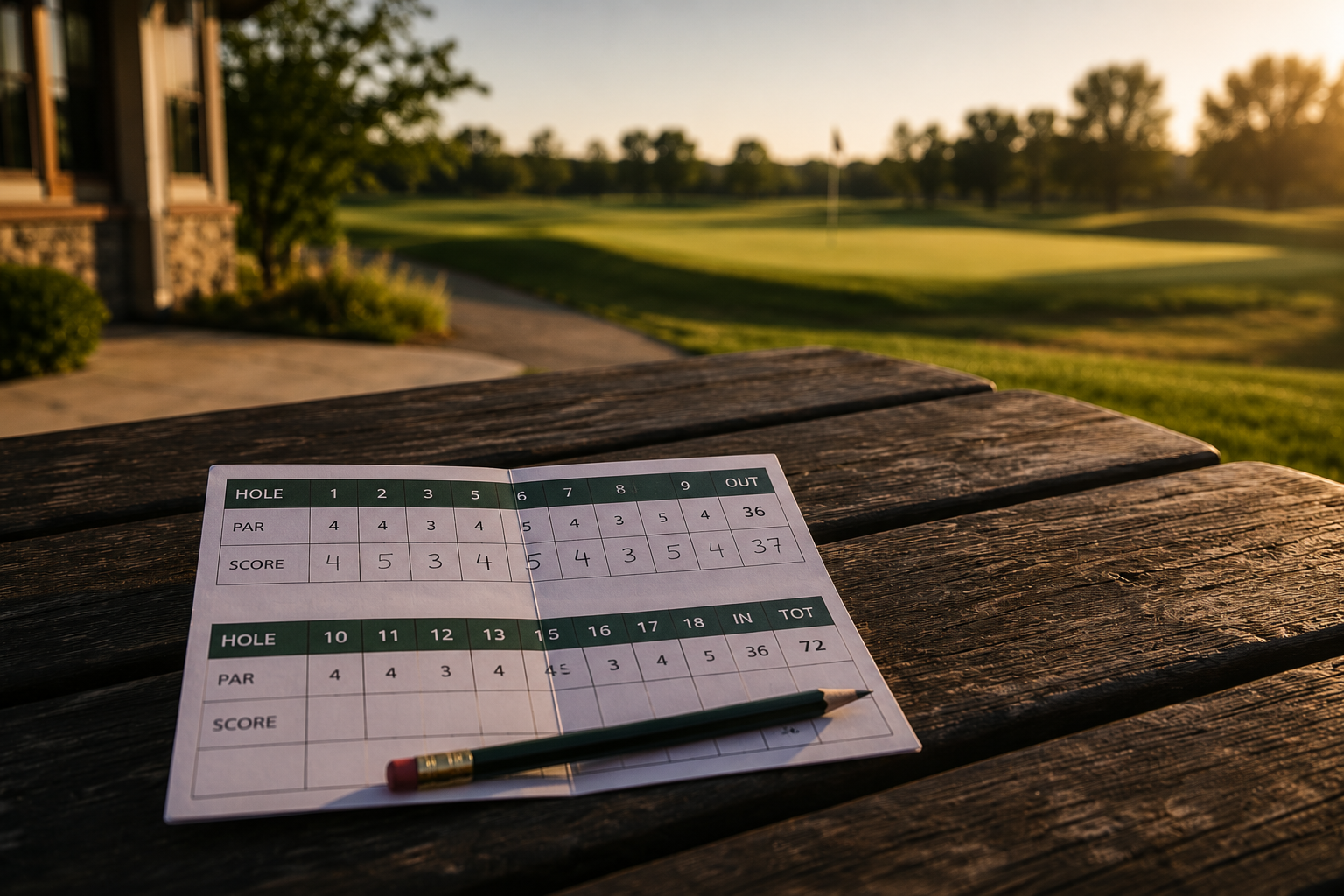
It usually arrives somewhere around the ninth or tenth hole, after an unexpectedly steady start. The ball has been finding fairways, putts have been dropping, and mistakes have been small enough to recover from. Out of curiosity, you glance at your scorecard and realize you're playing better than usual. Almost immediately, your thoughts begin racing ahead. You wonder whether this could finally become your best round, whether today might be the day you break ninety, eighty, or whatever number has quietly occupied your mind for months. Just as often, another thought follows close behind: There's no way I can keep this up.
Most golfers assume the back nine falls apart because pressure changes the golf swing. I don't think that's usually true. More often, the swing stays remarkably similar while the mind quietly begins playing a different game. Without realizing it, we've stopped playing the hole in front of us and started playing the round we hope to finish. Our attention leaves the fairway and wanders toward the eighteenth green, where we're already imagining the score we'll write down, the story we'll tell in the parking lot, or the disappointment we'll feel if it slips away.
That shift is surprisingly subtle, which is why it catches so many golfers by surprise. The first nine holes often feel relaxed because there is nothing to protect. We arrive at the course with modest expectations, choosing clubs, committing to targets, and accepting whatever happens. The rhythm of the round develops naturally because every shot receives our full attention. The score simply becomes a byproduct of good decisions rather than the purpose behind them.
Then we notice we're playing well.
From that moment forward, the scorecard quietly changes its role. Instead of recording what has already happened, it begins predicting what might happen next. We stop asking ourselves how to execute the next golf shot and start calculating how many pars we need over the remaining holes. A bogey suddenly feels more expensive than it did thirty minutes earlier. A short putt begins carrying the weight of a personal best instead of being nothing more than another putt. The future gradually starts influencing the present, even though the only shot we have any control over is the one resting in front of us.
One of the great ironies of golf is that our best rounds usually arrive when we're least concerned about shooting them. Think back to one of your favorite rounds. Chances are you weren't trying to manufacture something special on the opening tee. You simply played. You accepted good breaks without becoming overconfident and poor breaks without assuming the day was ruined. Somewhere along the way, good golf quietly accumulated. Only later did you realize the score was becoming something worth noticing.
Unfortunately, that's often the moment everything changes.
The human mind has a remarkable ability to create pressure where none previously existed. The six-foot putt on the sixteenth green is physically no different from the six-foot putt on the third. The hole hasn't shrunk. The grass hasn't changed. The stroke required is exactly the same. What has changed is the story we've attached to the outcome. Instead of seeing one putt, we begin seeing the score it might preserve, the handicap it might lower, or the personal milestone it might represent. The putt now carries far more significance than it was ever meant to.
Professional golfers often talk about staying present, but I think that phrase is easily misunderstood. Being present doesn't mean pretending the score doesn't matter or forcing yourself not to care. Every golfer cares. That's why we keep coming back. Staying present simply means recognizing when your attention has drifted toward a future that hasn't happened yet and gently bringing it back to the only place golf is ever played. The score will reveal itself eventually whether you think about it or not. The eighteenth green isn't going anywhere. It will still be there when you arrive.
The next time you find yourself making the turn with a surprisingly good score, pay attention to the conversation that begins inside your head. You may hear yourself wondering how many pars you need, imagining your lowest round, or quietly predicting the collapse before it even begins. Don't criticize yourself for thinking those thoughts. Every golfer has them. Simply notice that your mind has started living somewhere other than the fairway beneath your feet.
Then return to the same routine that carried you through the front nine. Pick a target. Trust the swing you've already brought to the course. Accept whatever happens, and move toward the next shot without trying to negotiate with the future.
The score you're hoping for has never been created by thinking about the eighteenth hole on the tenth tee.
It has always been built the same way every good round is built — one fully committed swing at a time.
Today's Lesson
The moment you start playing the scorecard, you've stopped playing golf. Come back to the shot in front of you.