
Golf has a way of convincing us that one more thought might produce one better swing.
You've picked your club. You've chosen a target. You've pictured the ball flight. The decision has been made. Yet before you pull the trigger, another voice arrives. Maybe I should swing easier. Don't miss it right. Keep your head down. The shot that looked so clear only moments ago slowly disappears beneath a pile of instructions.
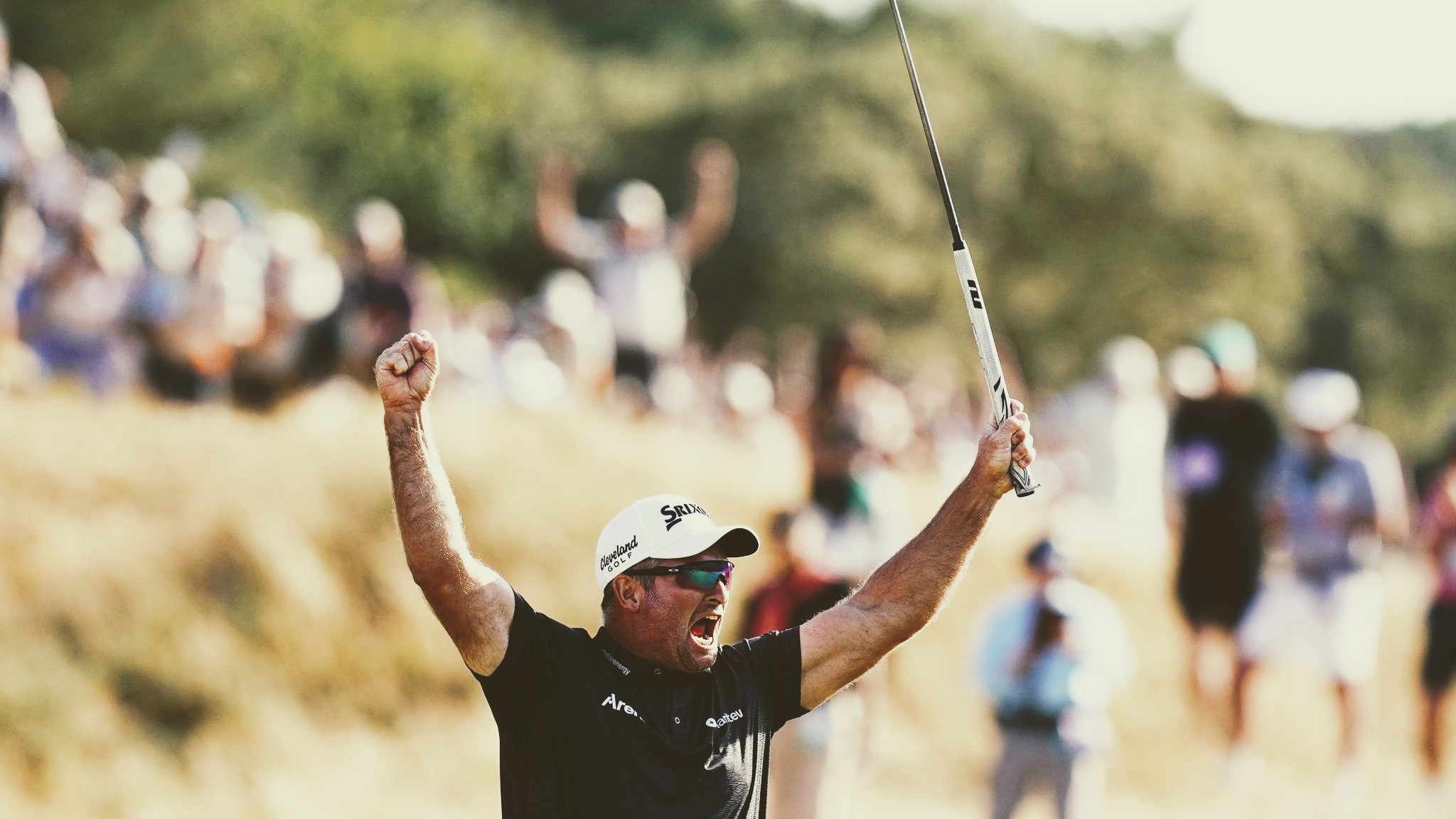
After winning The Open Championship, Ryan Fox described his mental approach with remarkable simplicity. His goal, he said, is to see the shot and hit the shot. Whenever he starts thinking too much, "bad stuff creeps in."
Those words explain more than his mindset — they explain his pace.
Throughout the week, Fox played with a decisiveness that stood out. Once he had gathered the information he needed, he didn't linger over the golf ball. He wasn't rushed, but he wasn't searching either. He trusted the picture he had created and allowed the swing to happen.
There's an important distinction between playing quickly and playing hurriedly. Hurried golf skips preparation. Decisive golf simply knows when preparation is finished.
Some amateur golfers unknowingly stand over the ball waiting for certainty to arrive. We rehearse one more swing. We reconsider the wind. We question the club. We add one final swing thought because it feels productive. More often than not, it simply delays commitment.
The mind's job is to prepare you for the shot. Once it has done that, continuing to think rarely improves the outcome. In fact, it often creates conflict between what you planned and what you're trying to execute.
Perhaps that's why some of the best rounds of our lives feel surprisingly quiet. We still evaluate the lie, choose a target, and commit to a strategy — but once the decision is made, we stop negotiating with ourselves.
Ryan Fox didn't win because he found the perfect swing thought. He won because he trusted the work he had already done.
For most of us, better golf isn't waiting on another tip from the driving range. It's waiting for the courage to stop searching once we've made a good decision.
The next time you stand over the ball, ask yourself a simple question: have I prepared for this shot, or am I just delaying it?
The answer may have more influence on your swing than the thought you're trying so hard to remember.
Today's Lesson
The best golfers don't eliminate thought — they simply know when to stop thinking. Prepare with intention, commit with confidence, and let the swing happen.